
What Important Documents Should You Keep for Your Family?
Important documents can become extremely valuable to your family when they need to understand or manage your affairs. Ye...



Prepare Essential Information
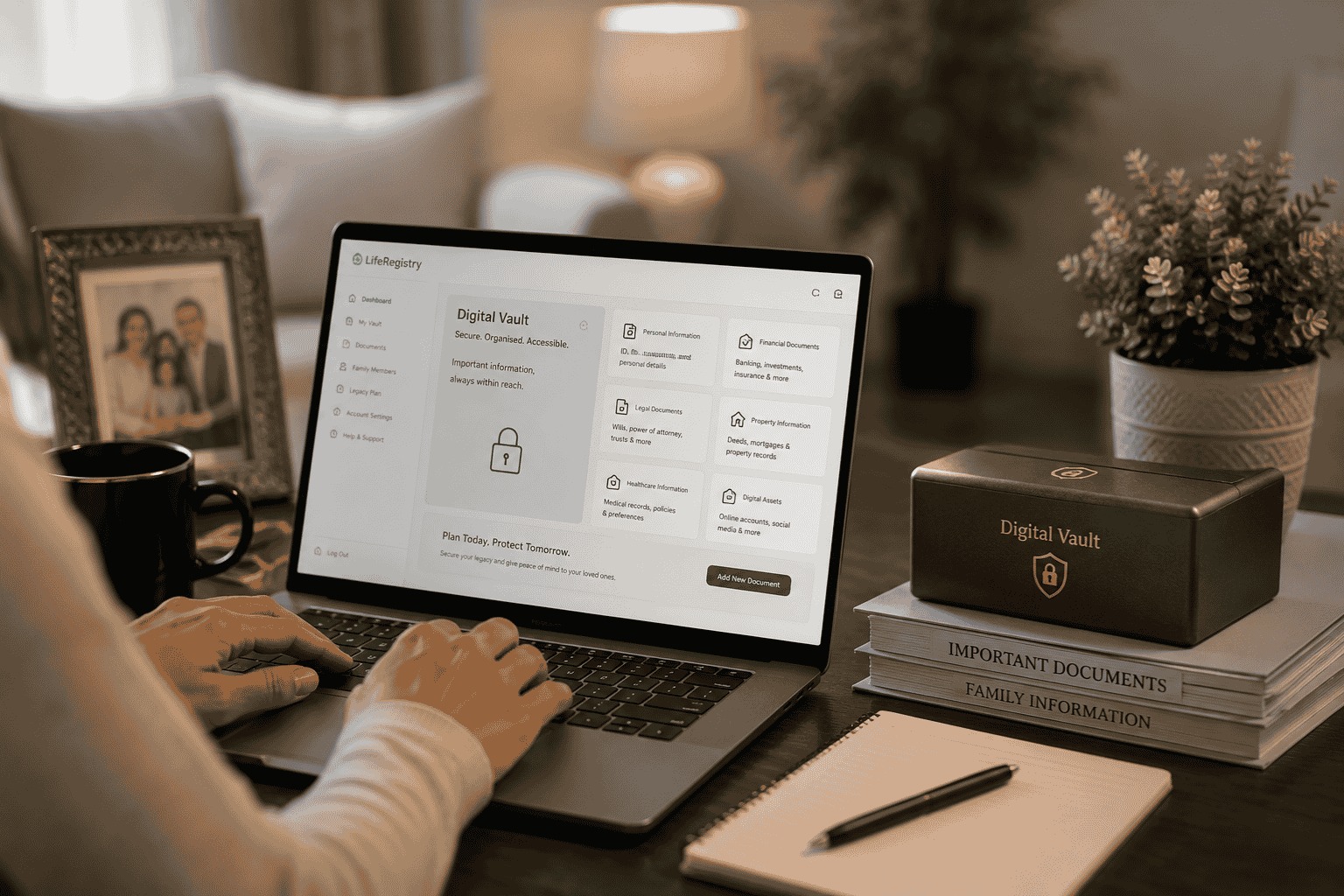
A family emergency file can contain information that would help someone understand your household and find important records quickly. You could include emergency contact details, insurance information, key household information, property details and a list of important documents. It can also identify where important legal or financial records are stored. The exact contents will depend on your family's circumstances. The most important thing is to keep the information clear, relevant and regularly updated. A useful emergency file should make important information easier to find rather than create another complicated collection of paperwork.
“And prepare yourselves for the Hereafter.”
An emergency information file is only useful if it can be found when it is needed. At the same time, it may contain personal information that should not be left somewhere openly accessible.
Consider using a secure location for physical records and appropriate protected storage for digital information. You should also think carefully about which trusted people need to know that the information exists and how they can access it when necessary.
Review the file regularly to remove outdated information and add important changes. New insurance policies, changes of address, new accounts or changes within your household may all require an update.
A simple review every so often can help ensure your emergency information remains useful.

Be Ready For Tomorrow
A well-organized emergency information file can help your family find essential information more easily.
Important documents can become extremely valuable to your family when they need to understand or manage your affairs. Ye...

End-of-life planning is not only about what happens at the end of life. It is about making important decisions and organ...

Our lives are increasingly connected to the digital world. Email accounts, social media profiles, cloud storage, online...

A will and a letter of wishes can both play an important role in planning what happens after your death, but they serve...